
Sandy Springs Condo & Home Repair Guide
· By Christiano Rodrigues
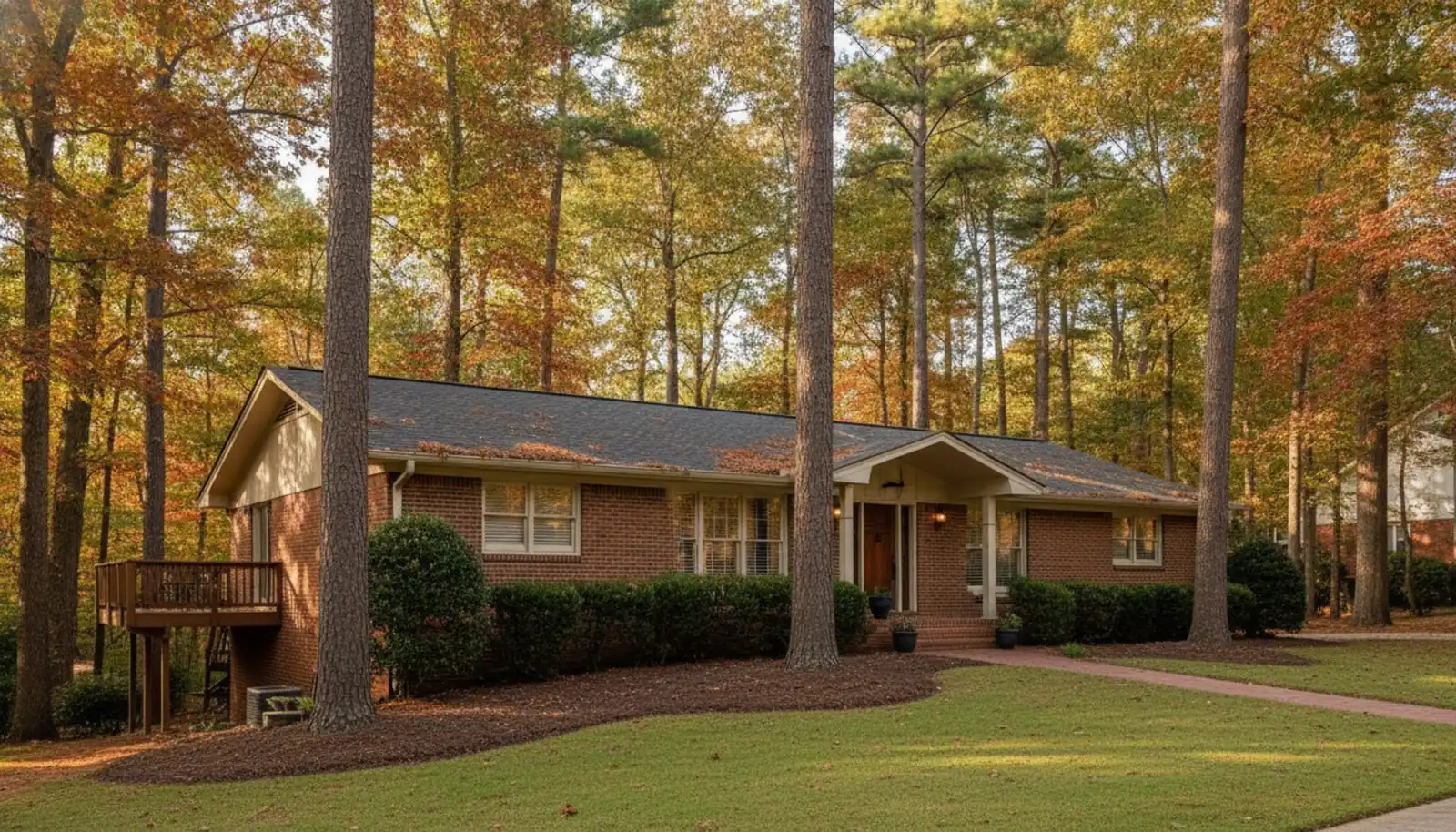
Sandy Springs is really two kinds of housing sharing one city. Around Perimeter Center and City Springs you have condos, apartments and townhomes where most repairs happen indoors and every job has to fit the building rules. Off Mount Vernon Highway, Abernathy Road and down toward Riverside Drive and Heards Ferry you have brick ranches, split-levels and bigger houses on steep, wooded lots where the weather does most of the damage.
This guide walks through the year the way a Sandy Springs home actually experiences it: pollen in spring, heat and storms in summer, leaves in fall and the occasional hard freeze in winter. For each season you will find what usually breaks, what a handy owner can safely handle, and where it pays to bring in help. It is written for homeowners, condo owners and landlords alike.
Know what you are maintaining before the season starts
A condo owner near Perimeter Center and a homeowner on a sloped lot near Morgan Falls have very different lists. In a condo, the association usually handles the roof, the exterior walls and the common areas, while you own everything from the drywall in. Your list is mostly paint, fixtures, faucets, toilets, caulk, doors and the occasional ceiling stain from a neighbor's leak.
In a detached house, you own all of it. The 1950s and 1960s ranches west of Roswell Road tend to have original doors, older bathroom tile and windows with tired caulk. The wooded properties along the Chattahoochee add gutters, decks, stairs and trim that stay damp under heavy shade.
If you are in a condo or an HOA neighborhood, pull out your governing documents now. Many associations limit work hours, require a certificate of insurance from any vendor and control exterior colors or visible changes. Knowing the rules before something breaks saves days later.
Spring: pollen, screens and the first storms
Georgia spring arrives with a yellow coat of pine pollen on everything. On wooded Sandy Springs lots it builds up on decks, porch screens, window sills and outdoor furniture, and it gets into screened porches and attics through every gap. This is also the moment to look closely at what the pollen exposes: torn screens, door sweeps that no longer touch the threshold and weatherstripping that has flattened out.
Spring is also when the first heavy rains test your drainage. Clear gutters and downspouts before the storms, and check that water leaves the downspout and moves away from the foundation. On sloped lots, red clay washes quickly when water dumps in one spot. Inside condos, spring rain is when old window caulk and balcony door seals start to show water stains on the drywall below them.
Good DIY tasks for spring: rinsing pollen, replacing an HVAC filter, re-caulking a tub or a small window gap, tightening loose door hardware. Worth calling a pro: replacing a run of rotted trim, re-screening a full porch, gutter work on a two story house or anything on a steep slope where a ladder is not stable.
Summer: humidity, heat and afternoon storms
Long, humid Georgia summers are hard on wood and paint. On shaded lots near the river, decks, fences and siding stay damp long enough to grow mildew, and soft spots show up at deck board ends, stair treads and the bottom of door frames. Press a screwdriver into any suspicious spot. If it sinks in easily, the wood is rotting and the repair will only get bigger.
Inside, humidity makes doors swell and stick, bathroom fans struggle and caulk joints mildew faster. Ceiling fans earn their keep in summer, and a wobbly or noisy fan is a common call.
DIY is reasonable for cleaning mildew off a deck, swapping a bathroom fan cover or tightening fan blades. Bring in a pro for replacing deck boards or stair treads, rebuilding a door frame, installing new ceiling fans and light fixtures, or patching ceiling drywall after a summer leak, especially in a condo where the unit above may be involved.
Fall: leaves, gutters and exterior prep
Fall is the busiest maintenance season for Sandy Springs houses on wooded lots. Oaks and other hardwoods drop leaves for weeks, and gutters on the Riverside Drive and Heards Ferry side of town can fill more than once. Clogged gutters overflow at the corners, soak fascia boards and send water straight down next to the foundation and deck posts. Plan at least one cleaning after most of the leaves fall, and another if your trees are still dropping into early winter.
Fall is also the best window for exterior paint touch-ups and pressure washing, since the heat has eased and the pollen is long gone. Repaint bare trim before winter, re-caulk gaps where siding meets trim and check that exterior doors close tightly.
Winter: mild most days, but freezes still happen
Sandy Springs winters are usually mild, which makes it easy to forget about them until an overnight freeze hits. Disconnect garden hoses, cover outdoor spigots and know where your main water shutoff is. In condos, find out where the shutoff for your unit is and whether the building has its own procedure. A slow drip from a faucet during a hard freeze is cheap insurance on an exterior wall.
Winter is also the right season for indoor projects that got pushed all year: patching nail holes and dings, repainting a room, replacing a dripping faucet or a running toilet, mounting the TV that has been on a stand since summer, or installing shelving.
Condos, HOAs and rentals: the extra steps
Condo and townhome work around Perimeter Center, City Springs and the buildings near Johnson Ferry and Peachtree Dunwoody Road comes with paperwork. Before booking anyone, ask your management office what they need: a certificate of insurance, approved work hours, elevator reservations and rules for parking and debris. Mounting a TV on concrete or metal stud walls also takes the right anchors, which is one reason condo owners tend to hire it out.
For landlords, the season matters less than the turnover. Between tenants, walk the unit with a list: wall damage and paint, fixtures and hardware, faucets and toilets, flooring and tile, cleaning and anything left behind. Doing it in one coordinated job shortens the time the unit sits empty.
When to call a pro, and who to call
A simple rule: if the job needs a tall ladder, involves water you cannot shut off, touches wiring beyond a basic swap, or needs to meet building or HOA rules, it is worth getting help. The same goes for a long list of small items you never get to.
Solve Handyman is a family-owned crew based in Marietta that works across Sandy Springs. We are insured, estimates are free, there is no trip fee and same-day service is available when the schedule allows. If something we did is not right, we redo it at no cost, and our team speaks English, Portuguese and Spanish. To see the services we offer locally and the neighborhoods we cover, visit our Sandy Springs handyman page, or call or text (770) 744-7051 with your list.
Frequently asked questions
- How often should I clean gutters on a wooded lot in Sandy Springs?
- Most homes on wooded Sandy Springs lots need gutters cleaned at least twice a year: once in spring before the heavy rains and once in late fall after most leaves have dropped. Homes under heavy tree cover near the river may need an extra cleaning in early winter.
- Who is responsible for repairs in a Sandy Springs condo, me or the HOA?
- It depends on your association documents, but in many condos the association covers the roof, exterior walls and common areas, while the owner covers everything inside the unit, such as drywall, paint, fixtures, faucets and doors. Check your declaration or ask your management office before scheduling work.
- Do I need to protect my pipes in a Sandy Springs winter?
- Yes, on the nights when temperatures drop below freezing. Disconnect garden hoses, cover outdoor spigots, keep the heat on and let a faucet on an exterior wall drip during a hard freeze. Know where your main water shutoff is before you need it.
- What home repairs are safe to DIY?
- Rinsing pollen, changing HVAC filters, re-caulking a tub, tightening door hardware and touching up small paint spots are reasonable DIY tasks. Ladder work on two story homes, rotted wood replacement, ceiling drywall repairs, fixture installs and anything that must meet condo or HOA rules are usually better left to a pro.
- Can a handyman provide a certificate of insurance for my condo building?
- An insured handyman can provide the certificate of insurance your condo association asks for. Solve Handyman is insured and can send the certificate before work begins, so share your building's requirements when you book.
Found this helpful? Make us a preferred source on Google.
Ready for an exact price?
Get a free, no-pressure in-home estimate. Real numbers for your home, not a phone guess.