
Roswell Home Repair Guide
· By Christiano Rodrigues
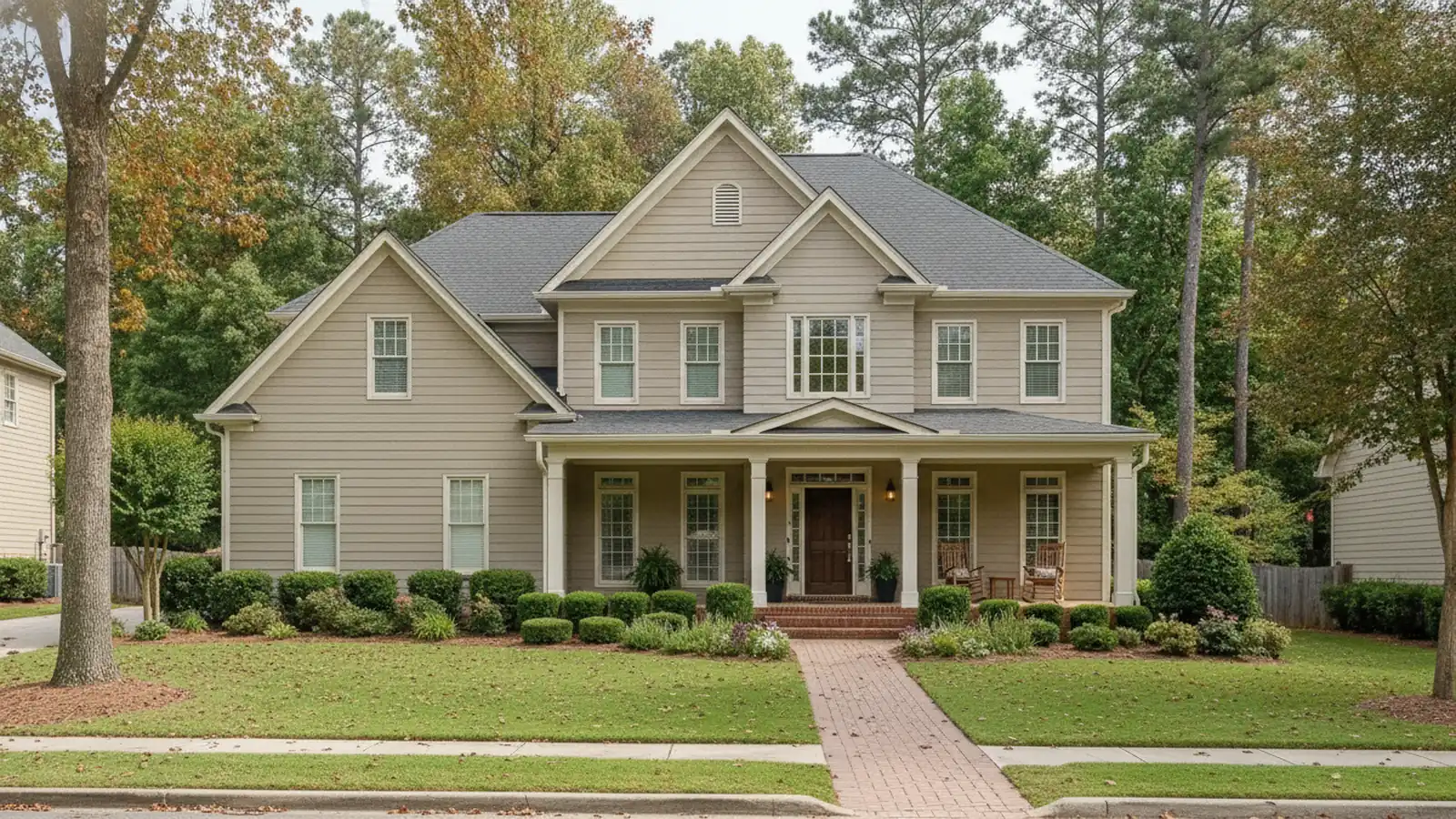
Roswell houses age in a particular way. Between the older homes around Canton Street and Historic Roswell, the shaded 1970s and 1980s streets near the Chattahoochee, and the newer subdivisions out toward Crabapple and Mountain Park, the city has a wide range of housing. But almost every one of those homes deals with the same Georgia rhythm: a heavy pollen spring, a humid summer full of afternoon storms, a fall that buries gutters in leaves, and a winter that is mostly mild until a hard freeze shows up for a night or two.
This guide walks through that year one season at a time. For each season you will find the repairs that tend to show up in Roswell homes, the small jobs most owners can handle on a Saturday, and the signs that it is time to bring in help. Landlords can use it as a simple yearly checklist too.
Spring: pollen, caulk and the first look at the outside
Spring in Roswell arrives with a yellow coat of pine pollen on porches, cars, decks and window screens. It is mostly a cleaning problem, but it is also the best time of year to walk around the house slowly, because the light is good and the weather is easy. Rinse the pollen off decks and porch floors with a garden hose and a soft brush rather than blasting it with high pressure, which can raise the grain on older wood.
While you are outside, look at the caulk around windows, door frames and trim boards, especially on the south and west sides where the sun is hardest. Cracked or shrunken caulk is the doorway for the summer rain. Small gaps are an easy DIY fix with a tube of exterior paintable caulk. Long runs that have pulled away, or paint that is flaking right next to the joint, usually mean water has already been getting in, and the wood underneath deserves a closer look.
Spring is also a good time to test the things you ignored all winter: the hose bibs, the screen doors, the deck gate latch and the ceiling fans you are about to need again.
Summer: humidity, storms and wood that stays wet
Roswell summers are humid, and many neighborhoods sit under heavy tree cover or close to water like Vickery Creek and Martin Lake. That combination keeps wood damp for long stretches. The result shows up as soft spots on the bottom edge of trim boards, deck boards that flex underfoot, mildew on the shady side of the house and fences that start to lean once the post bases rot.
Interior doors react too. A door that closed fine in March may stick in August because the frame and slab have swelled with moisture. Before you plane a sticking door, wait for a drier stretch and check whether the hinge screws are simply loose; a longer screw into the framing fixes a lot of sagging doors. Planing in peak humidity can leave a gap you will see all winter.
After a big summer storm, walk the property. Look for gutters that pulled away from the fascia, downspouts that came apart, fence boards knocked loose and any spot where water pooled against the foundation. Red clay holds water, so a downspout that dumps right next to the house can keep the soil soaked for days. A simple downspout extension is cheap and worth it.
Fall: leaves, gutters and getting ahead of the wet season
Fall is the busiest maintenance season in Roswell, mostly because of the trees. The mature oaks, maples and pines that make streets around Martin's Landing and Horseshoe Bend so pleasant also fill gutters fast. Plan on cleaning gutters at least once after most of the leaves have dropped, and earlier as well if you have pines overhead. Overflowing gutters are one of the most common causes of rotted fascia and soffit boards in the area.
Fall is also the right time for exterior painting and wood repair. The air is drier and temperatures are steady, so paint cures well. If you spotted soft trim in the spring, this is the window to replace it, prime the cut ends and paint before winter rain sits on it for months. On older homes, the goal is to match the existing profile so the repair disappears.
Winter: mild most days, but plan for the freeze
Roswell winters are gentle compared with most of the country, which is exactly why a hard freeze can catch homes off guard. Disconnect garden hoses before the first cold night, close interior shutoff valves to outdoor spigots if your house has them, and cover hose bibs on the north side. Pipes in crawl spaces and exterior walls are the most at risk.
Winter is a good season for indoor projects that got pushed back: drywall patches from the nail pops that showed up as the house dried out, a fresh coat of paint in a hallway, new light fixtures, TV mounting or swapping hollow core doors for solid ones. It is also when landlords tend to have time to plan the next turnover before spring leasing picks up.
What older Roswell homes need that newer ones may not
Homes near Canton Street, the Roswell Mill, Bulloch Hall and Barrington Hall often have original wood siding, deep porches and detailed trim. These houses need more frequent paint and caulk attention, and repairs should match what is already there. If your home is inside the historic district, check with the City of Roswell before changing exterior materials or colors.
Houses from the 1970s and 1980s along Holcomb Bridge Road, Woodstock Road and the river communities tend to have aging decks, original windows, builder grade fixtures and gutters that have been patched more than once. Newer homes toward Crabapple and Mountain Park usually need less exterior work in their first years, but settling cracks in drywall and caulk lines around tubs and counters are normal as the framing dries out.
DIY or call a pro?
Plenty of seasonal maintenance is very doable on your own: rinsing pollen, small caulk touch ups, tightening hinges and fan screws, adding downspout extensions, replacing weatherstripping and patching a nail hole. A good rule is to handle it yourself when the fix is small, the damage is visible all the way through, and you are not working from a tall ladder.
Call a pro when wood is soft beyond a small spot, when a repair has to match old trim or siding, when the work is on a second story roofline, or when you have a list of ten small things and no free weekend. If you want local help, our Roswell handyman page explains the neighborhoods we cover and the work we do most often around the city. You can find it at /handyman-roswell-ga/.
Solve Handyman is a family-owned, insured team based in Marietta. Estimates are free, there is no trip fee, same-day service is available when the schedule allows, and if something we did is not right, we redo it at no cost. We speak English, Portuguese and Spanish. Call or text photos to (770) 744-7051.
Frequently asked questions
- How often should Roswell homeowners clean their gutters?
- At least once a year after most of the leaves have fallen, and usually twice if your house sits under oaks or pines. Homes under heavy tree cover in Roswell often need a spring cleaning as well to clear pine needles and pollen debris before the summer storms.
- When is the best time to paint the exterior of a house in Roswell?
- Fall is usually the best window because the humidity drops and temperatures stay steady, which helps paint cure. Late spring can also work once pollen season has passed. Avoid painting right before rain or on the hottest summer afternoons.
- What causes wood rot on Roswell homes?
- Mostly water that does not get a chance to dry: overflowing gutters, failed caulk, shaded walls that stay damp in the humid summer and trim that sits close to the ground or a roof line. Keeping gutters clear and caulk and paint in good shape prevents most of it.
- How do I protect outdoor faucets during a Georgia freeze?
- Disconnect garden hoses, close the interior shutoff valve for outdoor spigots if your home has one, open the outside faucet to drain it and add an insulated cover. Pay extra attention to spigots on the north side of the house and pipes in crawl spaces.
- Do I need city approval for exterior repairs in Historic Roswell?
- Repairs that keep the same look are usually simpler, but changes to exterior materials or colors inside the historic district can require approval. Check with the City of Roswell before you change anything visible from the street.
Found this helpful? Make us a preferred source on Google.
Ready for an exact price?
Get a free, no-pressure in-home estimate. Real numbers for your home, not a phone guess.