
Junk Removal Cost: What You Will Pay
· By Christiano Rodrigues
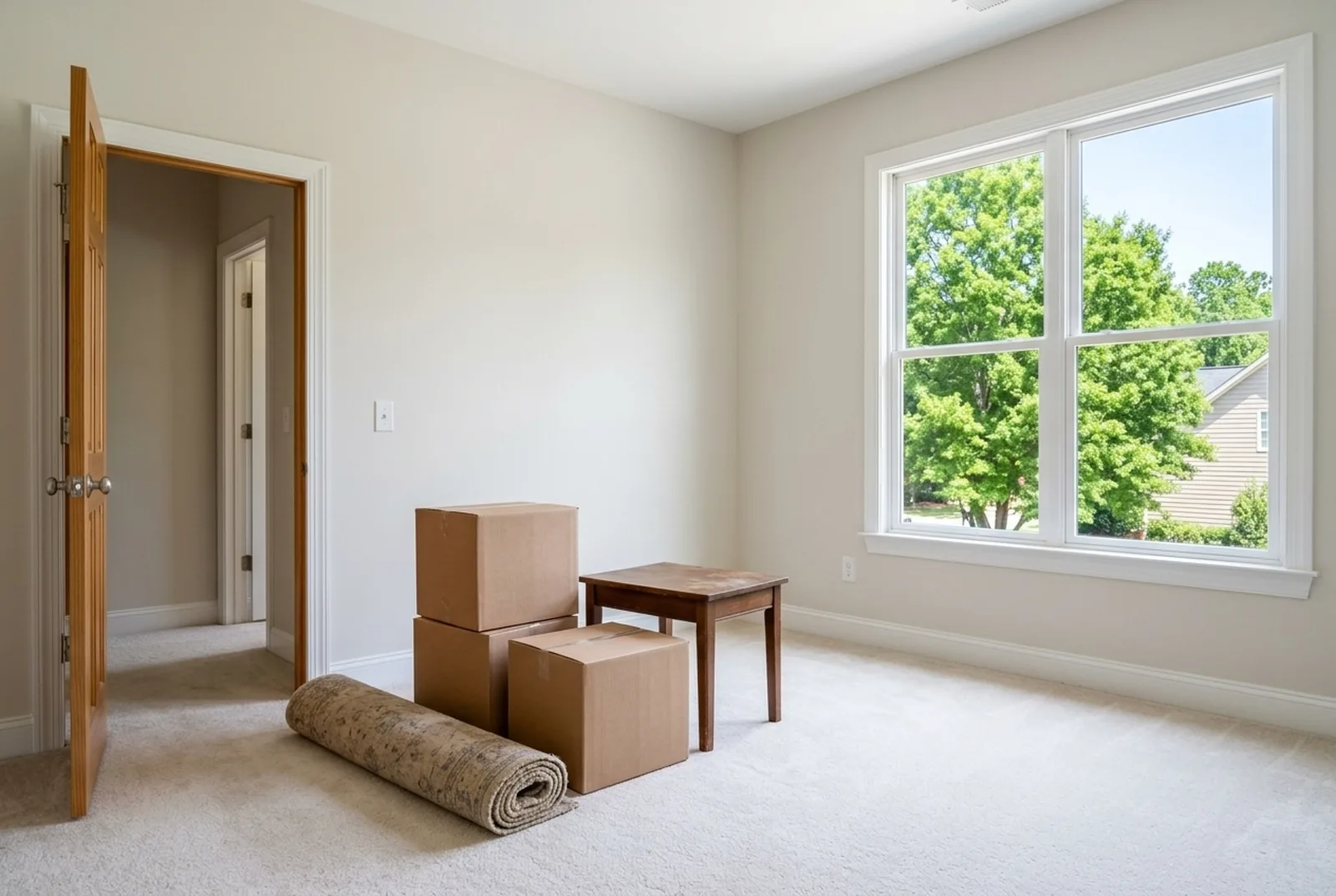
Most people start thinking about junk removal at the worst possible moment. The tenant just moved out and left half their furniture behind. The garage finally got so full the car no longer fits. A renovation is done and the debris pile in the driveway is not going anywhere on its own. The first question is always the same: how much is this going to cost me?
The honest answer is that it depends on how much you have, what it is, and how hard it is to get to. That sounds like a dodge, but once you understand how haulers actually build a price, you can estimate your own job pretty closely and spot a quote that does not add up. This guide walks through the common pricing models, the typical ranges you will see on the market, the things that quietly add to the bill, and what landlords can do to clear a unit fast between leases.
How junk removal is usually priced
There are three pricing models you will run into, and many companies mix them depending on the job.
The first is pricing by volume, usually measured in fractions of a truckload. The crew looks at your pile, estimates how much of the truck it will fill (a quarter load, half load, full load), and gives you a price for that space. This is the most common model because it is fair to both sides: you pay for the room your stuff takes up, not a guess.
The second is pricing by item. If you only have one or two things, like a single mattress, an old refrigerator or a sofa, a per-item price often makes more sense than paying for a slice of the truck. It is simple and predictable for small jobs.
The third is pricing by time and labor, which shows up more on cleanouts where the crew has to sort, carry from several rooms, or work around obstacles. Here the number of people and the hours on site matter as much as the volume.
Whichever model a company uses, the price should cover the labor to load, the truck, and the disposal fees at the transfer station or landfill. Disposal is a real cost that haulers pay every time they unload, and it is one of the reasons heavy or bulky material costs more.
Typical price ranges you can expect
These are general market ranges, not a quote, and they shift with fuel prices, local dump fees and how busy the season is. Treat them as a starting point.
A single bulky item such as a mattress, recliner or small appliance often lands somewhere around the low hundreds of dollars or less, depending on the size and whether it needs special handling. Small jobs of a few items typically fall in a similar range or a bit above.
Partial truckloads, like a quarter or half load, are where most household jobs end up. A garage corner, a basement shelf, or what a tenant left in one bedroom usually fits here, and it commonly runs a few hundred dollars.
A full truckload or a whole home or unit cleanout is where prices climb the most. Depending on volume, weight and access, a big cleanout can run several hundred to well over a thousand dollars, especially if the crew needs more than one trip.
The only way to get your actual number is to have someone look at the job. A photo can get you a rough idea, but an in-person look or a quick walkthrough lets the crew see the weight, the access and anything that needs special handling before they commit to a price.
What drives the price up or down
Volume is the biggest factor, but it is not the only one. Weight matters a lot. A half load of pillows and cardboard costs far less to dump than a half load of concrete, tile or wet drywall, because disposal sites usually charge by weight and heavy material wears on the truck.
Access is the next big one. Items sitting in the driveway are quick to load. Items on the third floor of an apartment, down a narrow basement stairway, or behind a shed with no clear path take more time and more hands. Stairs, long carries and tight turns all add labor.
The type of material also matters. Ordinary household junk is straightforward. Appliances with refrigerant, electronics, tires and certain types of debris often have their own disposal rules, and some sites charge extra fees to accept them.
Finally, timing can play a role. Same-day or rush pickups are sometimes priced higher by some companies, and busy times like the end of the month, when leases turn over, tend to fill up fast. Booking a few days ahead can give you more options.
Items that cost extra or need special handling
Not everything can go straight into the truck and onto the landfill. Disposal in Georgia follows local rules, and hazardous materials need special handling. That usually includes things like paint, solvents, chemicals, pool supplies, fuel, propane tanks, batteries and some cleaning products.
A responsible crew will tell you up front what they can take, what needs a separate drop off, and what will add to the price. If a company says it will haul anything at all with no questions asked, that is worth a second look, since improper dumping can come back on the property owner.
Appliances deserve a quick mention too. Refrigerators, freezers and AC units contain refrigerant that has to be handled properly before the unit is scrapped, which is why they often cost more than a similar sized piece of furniture.
Mattresses are another common add on. They are bulky, hard to compress, and some disposal sites charge a separate fee for them, so expect a mattress to cost a little more than its size alone would suggest.
How landlords clear tenant leftovers fast between leases
For landlords and property managers, the cost of junk removal is only half the picture. The other half is the cost of an empty unit. Every day a place sits full of a former tenant's furniture, trash bags and broken appliances is a day it cannot be cleaned, repaired or shown to the next renter.
The fastest turnovers usually follow the same order. First, document what was left behind with photos for your records. Second, schedule the haul out as soon as the unit is legally yours to clear. Third, book the deep clean and any small repairs right behind it so the crews are not waiting on each other.
This is where working with one company for the whole make ready can save real time. When the same team handles the junk removal, the move-out cleaning and the touch ups, you do not have to coordinate three schedules or worry about one vendor showing up before the other is done.
In North Atlanta, where rentals turn over quickly, a few lost days between tenants add up fast. Getting the junk out first, and fast, is usually the step that keeps the rest of the schedule on track.
How to get a quote you can trust
A good junk removal quote is clear about what is included. It should tell you whether labor, loading and disposal fees are all in the price, and whether anything on your list falls into the extra fee category. Ask whether the price can change once the crew arrives, and why.
Watch for vague phone quotes that are much lower than everyone else. A number that looks too good often grows on the day of the job once the crew sees the weight or the stairs. A short walkthrough or a few clear photos up front avoids that surprise.
Before the crew shows up, you can also lower your own cost. Group everything that is going in one spot that is easy to reach, separate anything you want to keep, and pull out hazardous items so they can be handled the right way. Less searching and carrying means less labor on the bill.
At Solve Handyman, we are a family-owned team based in Marietta and we serve homeowners and landlords across North Atlanta. Estimates are free, there is no trip fee to come take a look, and same-day service is available when the schedule allows. We are insured, we speak English, Portuguese and Spanish, and if something is not right, we come back and redo it at no cost. Call or text (770) 744-7051 to get your free estimate.
Frequently asked questions
- How much does junk removal usually cost?
- It varies with volume, weight and access. A single item often costs around the low hundreds of dollars or less, a partial load commonly runs a few hundred, and a full truckload or whole unit cleanout can run from several hundred to over a thousand. A free estimate is the only way to get your real number.
- Is it cheaper to pay per item or per load?
- For one or two bulky items, a per-item price is usually cheaper. Once you have several pieces or a pile of mixed junk, paying for a fraction of the truck typically works out better, because you are paying for space instead of each piece.
- Why do mattresses and appliances cost more to haul?
- Mattresses are bulky and some disposal sites charge a separate fee for them. Refrigerators, freezers and AC units contain refrigerant that has to be handled properly before scrapping, which adds cost compared to regular furniture.
- Can you take paint, chemicals or other hazardous materials?
- Hazardous materials need special handling and disposal follows local rules, so they usually cannot go in the truck with regular junk. Let the crew know what you have during the estimate and they can tell you what is possible and what needs a separate drop off.
- Do you charge a fee just to come look at the job?
- No. Solve Handyman offers free estimates with no trip fee, so you can find out what the job will cost before you commit to anything.
- Can you clear a rental unit quickly between tenants?
- Yes. Same-day service is available when the schedule allows, and the same team can follow the haul out with move-out cleaning so the unit is ready for the next tenant sooner.
Related services
Found this helpful? Make us a preferred source on Google.
Ready for an exact price?
Get a free, no-pressure in-home estimate. Real numbers for your home, not a phone guess.