
Intown Atlanta Older Home Repair Guide
· By Christiano Rodrigues
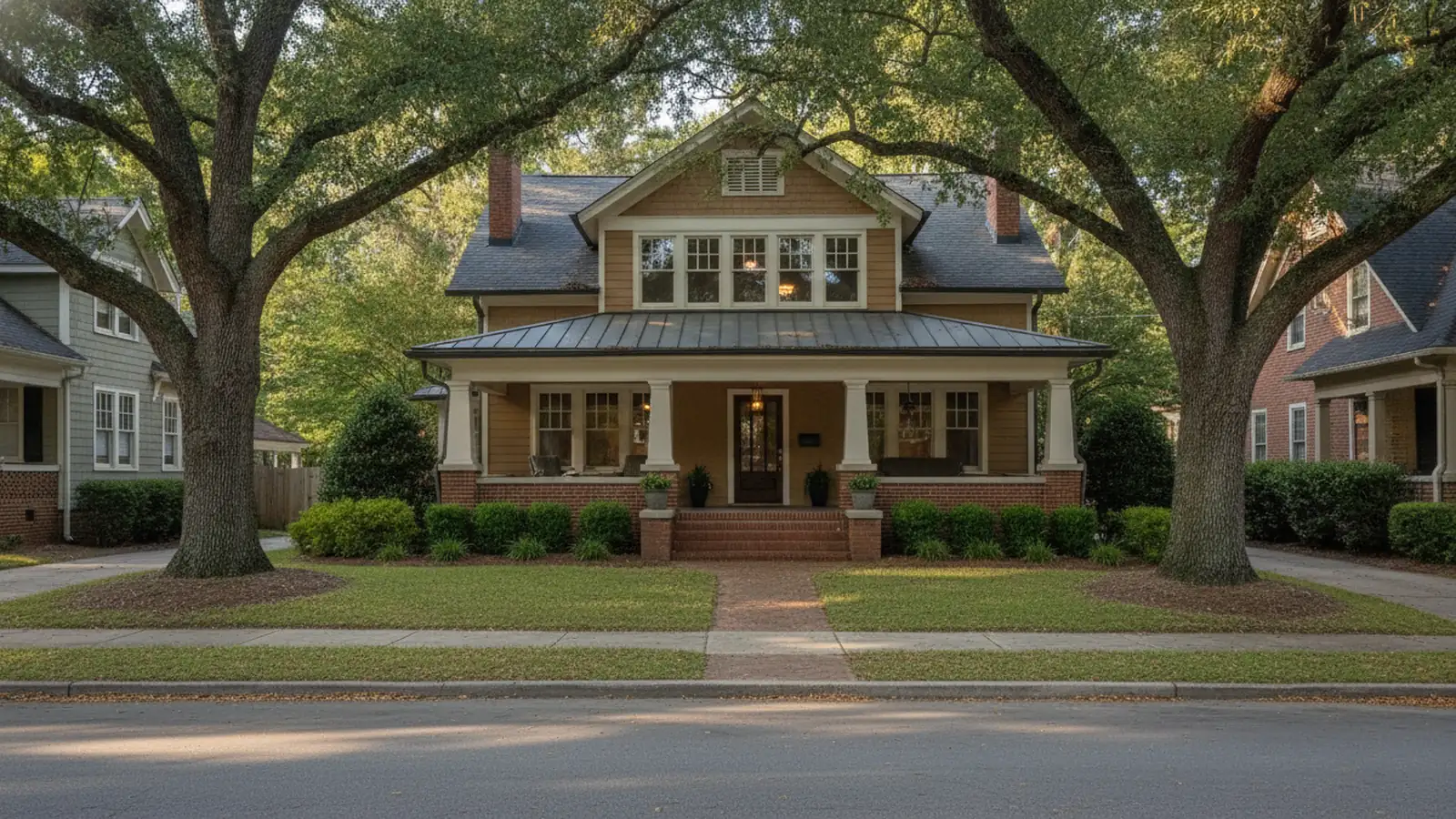
Older homes in intown Atlanta have a rhythm. The same handful of problems show up at roughly the same time every year, and they usually start small: a hairline crack above a doorway in spring, a front door that suddenly drags on the threshold in July, a gutter that spills over the porch steps during the first big fall rain. Left alone, those small things turn into rotted trim, stained ceilings and doors that will not latch.
This guide is written for homeowners and landlords with older houses and rentals in neighborhoods like Ansley Park, Morningside, Virginia-Highland and Druid Hills. It walks through the year season by season, explains why these houses behave the way they do, and gives an honest take on which jobs are reasonable weekend projects and which ones are better handed to someone with the tools and the patience.
Why older intown homes need a different kind of upkeep
A lot of the housing stock inside the Perimeter was built with plaster walls, solid wood doors, site-built trim and wood windows. Those materials last a long time, but they respond to the weather. Wood swells when the air is wet and shrinks when it dries out. Plaster is rigid, so when the framing behind it shifts a little with the seasons, it cracks instead of flexing the way drywall does.
None of this means something is wrong with the house. It means maintenance works best on a calendar. If you know that doors will swell in summer and gutters will clog in fall, you can get ahead of both instead of reacting after water or wear has already done damage.
Spring: pollen season, screens and the first walk-around
Atlanta springs are famous for the yellow pollen that coats everything for a few weeks. It is mostly a cleaning problem, but it is also the best moment to do a slow walk around the outside of the house, because you will be out there washing porches and screens anyway.
While you are out there, look at the bottom of porch columns, the ends of fascia boards, window sills and the lower edge of door frames. Those are the spots where water sits longest, so they are where wood rot usually starts. Press gently with a screwdriver. If the wood feels soft or crumbles, it needs attention before the summer storms. Spring is also a good time to check window screens, re-secure loose porch railings and look for peeling paint on trim, since bare wood soaks up moisture fast.
Inside, note any new cracks in plaster that appeared over the winter. Fine spiderweb cracks above doorways and at corners are common in older homes and are usually cosmetic. Cracks that are wide, growing quickly or paired with doors that suddenly will not close deserve a closer look from someone who can tell the difference.
Summer: humidity, sticking doors and storm damage
Summer is when older Atlanta houses feel the humidity most. Original wood doors and window sashes swell and start rubbing, and a door that closed fine in March may need a shoulder to latch by July. The usual fix is not replacement. Tightening loose hinge screws, adjusting the strike plate, and planing or shimming the door so it clears the frame will solve most cases. Sealing the bare edge after planing matters, because an unsealed edge will soak up moisture and swell again.
Afternoon thunderstorms are the other summer story. Heavy rain finds every weak spot: clogged downspouts, gaps in exterior caulk, cracked paint on sills. After a big storm, check ceilings under bathrooms and porches for new stains, look for water pooling near the foundation, and make sure gutters are still attached firmly. Bathrooms also take a beating in humid months, so it is worth checking grout and caulk around tubs and showers before small gaps let water behind the tile.
Fall: leaves, gutters and getting ahead of the rain
Intown Atlanta has a lot of mature trees, and in neighborhoods like Virginia-Highland and Morningside the oaks drop leaves, acorns and seed pods into gutters all through the fall. Clogged gutters overflow, and the water lands right where you do not want it: on fascia boards, porch steps and the soil next to the foundation.
Most homes benefit from a gutter cleaning in late fall once the bulk of the leaves are down, and some heavily shaded houses need a second pass. Fall is also a good window for exterior paint touch-ups and fresh caulk around windows and trim, because temperatures are mild and the air is drier than in summer. If you have a deck or a wood fence, give it a quick check for loose boards and popped nails before the wet months.
Winter: mild most days, but watch the freezes
Atlanta winters are generally mild, which makes it easy to forget that the city still gets a few hard freezes most years. Older homes with crawl spaces and pipes running along exterior walls are the most exposed. Before the first cold snap, disconnect garden hoses, cover outdoor spigots and make sure crawl space vents and doors are closed up the way they should be.
Winter is also the season for indoor projects. It is a good time to patch plaster, repaint a room, rehang a door, replace worn cabinet hardware, swap light fixtures or finally mount the TV. For landlords, the slower season can be the right moment to tackle the repair list in a rental between tenants.
DIY or call a pro?
Plenty of upkeep is fine to do yourself. Changing HVAC filters, cleaning screens, tightening hinge screws, re-caulking a tub, and touching up small paint scuffs are all reasonable weekend jobs. Clearing gutters on a one-story house is doable if you are comfortable on a ladder and have someone holding it.
It usually makes sense to call a pro when the job involves heights, older materials or a finish you do not want to ruin. Plaster patching is a good example: it takes practice to make a repair disappear on an old wall. The same goes for planing a heavy original door, replacing rotted trim so it matches the existing profile, or working on a two-story roofline. If you own a rental, a pro also saves time, because one visit can cover the whole make-ready list instead of several weekends.
Getting help with an intown Atlanta repair list
Solve Handyman is a family-owned company based in Marietta that works on older homes and rentals across intown Atlanta. The team is insured, estimates are free, there is no trip fee, and same-day service is available when the schedule allows. If something we did is not right, we come back and redo it at no cost. We speak English, Portuguese and Spanish, which helps when a tenant, property manager or family member is the one meeting us at the door.
If you want to see the neighborhoods we cover and the repairs we handle most often, visit our Atlanta handyman page, linked at the end of this guide. You can also text photos of your list to (770) 744-7051 and we will tell you what is involved before anyone drives over.
Frequently asked questions
- Are plaster cracks in an older Atlanta home a sign of a serious problem?
- Usually not. Fine spiderweb cracks above doorways and at corners are common in older intown Atlanta homes because plaster is rigid and the house shifts slightly with the seasons. Cracks that are wide, growing quickly or paired with doors that suddenly will not close should be looked at by someone who can assess them in person.
- Why do my old wood doors stick every summer in Atlanta?
- Atlanta summers are humid, and solid wood doors absorb moisture and swell. Tightening hinges, adjusting the strike plate, and planing or shimming the door usually fixes it. Sealing the bare edge afterward helps keep the door from swelling again the next summer.
- How often should gutters be cleaned on an intown Atlanta home?
- Most homes do well with at least one cleaning in late fall after the leaves drop. Houses under heavy tree cover, which is common in neighborhoods like Virginia-Highland and Morningside, often need a second cleaning in spring as well.
- What should I do before a freeze in Atlanta?
- Disconnect and drain garden hoses, cover outdoor spigots, and make sure crawl space vents and doors are closed. Older homes with pipes along exterior walls or in crawl spaces are the most at risk during the few hard freezes Atlanta gets in a typical winter.
- Can a handyman handle a full make-ready list for an intown Atlanta rental?
- Yes. A handyman can usually cover patching and painting, door and hardware fixes, minor plumbing like running toilets and leaky faucets, light fixture swaps, deep cleaning and haul-away in one visit. Solve Handyman offers free estimates with no trip fee, and you can text photos of the unit to (770) 744-7051.
Found this helpful? Make us a preferred source on Google.
Ready for an exact price?
Get a free, no-pressure in-home estimate. Real numbers for your home, not a phone guess.