
Acworth Home Maintenance Guide
· By Christiano Rodrigues
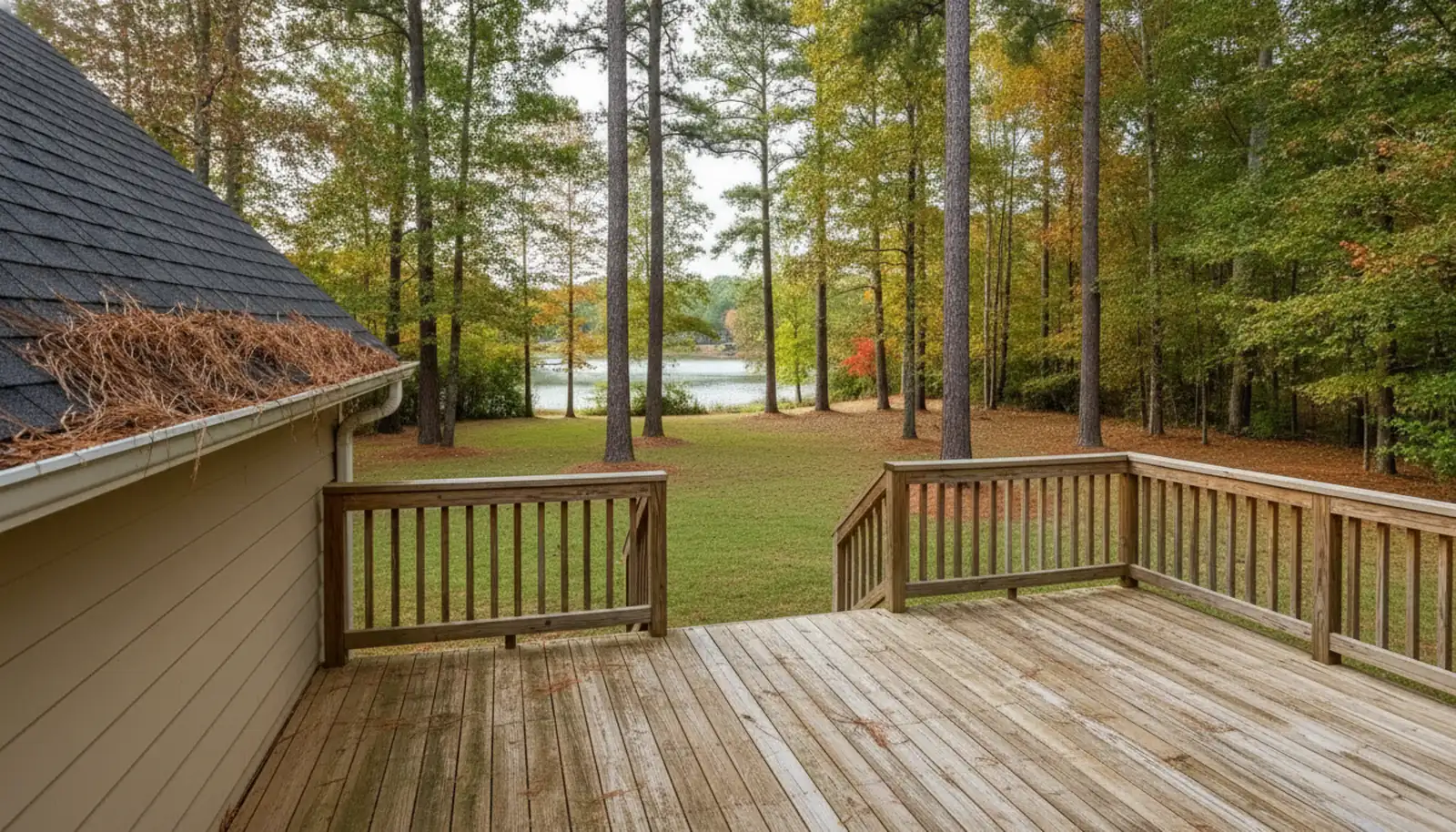
Owning a home in Acworth means living with two lakes, a lot of tall pines and a Georgia climate that swings from yellow pollen in March to sticky, stormy summers and a few hard freezes in winter. The houses here wear in predictable ways, and if you know the pattern, you can stay ahead of it.
This guide walks through the year the way a house in Acworth actually experiences it. For each season you will find what tends to break in local homes, what is reasonable to handle yourself on a Saturday, and where it makes sense to bring in help. It is written for homeowners in neighborhoods like Brookstone and Bentwater, for owners of older cottages near Main Street, and for landlords with rentals along the Highway 92 and Cobb Parkway corridors.
Why Acworth homes wear the way they do
Most of the wear we see around Acworth comes back to moisture. Lake Acworth sits right in town and Lake Allatoona is next door, so the air stays humid from late spring well into fall. Pine shade keeps decks, siding and roofs from drying out after rain. Add red clay soil that holds water and drains slowly, and you get a simple rule: anything made of wood, and anything that moves water away from the house, needs regular attention.
The housing stock adds its own twist. Older homes and cottages around downtown Acworth, Logan Farm Park and Cauble Park tend to have original doors, wood floors and bathrooms that were updated in pieces over the decades. The larger homes in the golf and lake communities have more exterior surface to maintain, plus HOA standards for how that exterior should look. Rentals off Mars Hill Road and Baker Road see the normal wear of tenants moving in and out. Each type of house has its own checklist, but the seasons drive all of them.
Spring: pollen, screens and catching winter damage
Spring in Acworth arrives as a yellow film on every surface. Pine pollen settles on decks, porch floors, window screens, cars and siding, and once it gets wet it feeds the green and black mildew that shows up later in the year. A gentle wash of siding, decks and walkways after the heaviest pollen drops is one of the most useful things you can do all year.
Spring is also the time to look for anything winter left behind. Walk the outside of the house and look for loose or cracked trim, soft spots at the bottom of door frames, peeling paint on fascia boards and gutter sections that pulled away during a storm. Inside, check under sinks for slow drips and look at ceilings below bathrooms for faint stains. Replace torn porch screens before mosquito season.
DIY makes sense for: rinsing screens, replacing a furnace filter, tightening loose cabinet hinges and walking the yard to see where water pools after rain. Call a pro for: pressure washing a second story, replacing rotted trim or door frame sections, and any gutter work that requires a tall ladder.
Summer: humidity, storms and the deck
Summer is when lake country humidity does the most damage. Decks that were fine in April start to turn gray and green, boards cup and split, and nails or screws work their way up. Railings get wobbly. On older houses, interior doors swell and start sticking or refusing to latch. Bathrooms without a working exhaust fan grow mildew on ceilings and caulk lines.
Afternoon thunderstorms are the other summer story. Storms moving across the lake can drop limbs onto fences, gutters and screened porches. After a big storm, it pays to do a quick walk around: look for a gutter section hanging loose, a fence panel leaning or knocked down, torn screens and debris piled against the house. Quick fixes keep a minor storm from turning into water inside the walls.
DIY makes sense for: sweeping and rinsing the deck, setting a fallen fence picket back in place, running the bathroom fan longer after showers and clearing storm debris you can reach from the ground. Call a pro for: replacing soft deck boards and stair treads, resetting a leaning fence post, rehanging gutter sections and any repair that involves climbing onto the roof edge.
Fall: leaves, pine straw and getting ready for cold
Fall is gutter season. Between hardwood leaves and pine straw, Acworth gutters can fill up fast, and a clogged gutter does more than overflow. Water spills over the front edge, soaks the fascia board, splashes against the siding and dumps right next to the foundation, where red clay keeps it sitting there. Clearing gutters at least once in late fall, and again in early spring if you have heavy pine cover, is one of the cheapest ways to protect the whole house. Make sure downspouts carry water away from the foundation.
Fall is also the best window for exterior painting and sealing. Temperatures are milder, humidity drops and surfaces dry out between coats. Before the first freeze, disconnect garden hoses, shut off and drain outdoor spigots if your home has interior shutoff valves, and check weatherstripping on exterior doors.
DIY makes sense for: raking, clearing ground level drains, disconnecting hoses and replacing worn door sweeps. Call a pro for: gutter cleaning on a two story home, staining or sealing a large deck, exterior trim repair and paint, and hauling away a season of yard debris or an old shed's contents.
Winter: mild, but not freeze proof
Acworth winters are mostly mild, which makes it easy to forget that a few nights each year can drop well below freezing. That is when pipes in exterior walls, crawl spaces and unheated garages are most at risk. Insulating exposed pipes, sealing gaps where cold air gets into the crawl space and knowing where your main water shutoff is located will save you real trouble if a cold snap hits while you are away.
Winter is also a good time for indoor projects you have been putting off. With the yard quiet, it is the right season to patch drywall, rehang doors that never closed right, replace worn faucets and toilet parts, add a ceiling fan before summer, mount the TV in the bonus room or install a smart doorbell and cameras before spring travel season.
A note for Acworth landlords
If you own rentals in Acworth, the seasonal list above still applies, with one extra layer: every turnover is a chance to reset the house. Walk the unit with the move-out photos in hand, then handle repairs in order: patch and repair first, paint second, flooring and fixtures third, deep cleaning and junk removal last. Doing it in that order avoids paying twice for the same room. Pair turnovers with seasonal items, like a fall gutter cleaning, so the exterior does not fall behind.
When to bring in help
Plenty of upkeep is fine to handle yourself. The line is usually height, water and structure. If a job needs a tall ladder, involves water lines, or touches something that holds weight, like deck boards, stair treads or railings, it is worth a second set of hands.
If you want one crew to work through the list, our Acworth handyman page at /handyman-acworth-ga/ covers what we do in town, from deck and fence repair to rental make-ready, and the neighborhoods we serve. Solve Handyman is a family-owned team based in Marietta. We are insured, estimates are free, there is no trip fee, same-day service is available when the schedule allows, and if something is not right, we redo it at no cost. We speak English, Portuguese and Spanish. Call or text (770) 744-7051.
Frequently asked questions
- How often should I clean gutters on an Acworth home with pine trees?
- Most homes with heavy pine and hardwood cover do well with at least two cleanings a year: one in late fall after the leaves and pine straw come down, and one in early spring. Homes right under tall pines may need an extra check after big storms.
- When is the best time to pressure wash in Acworth?
- After the heaviest spring pollen has dropped is a good time, since washing earlier usually means doing it again. Many owners add a second wash in late summer or fall to remove mildew before sealing or painting.
- What should I do to protect pipes during an Acworth freeze?
- Disconnect garden hoses, insulate pipes in crawl spaces and exterior walls, seal drafts into the crawl space and know where your main water shutoff is. On the coldest nights, opening sink cabinets on exterior walls helps warm air reach the pipes.
- Can one handyman handle seasonal upkeep and a rental turnover?
- Yes. Solve Handyman handles exterior work like gutters, decks, fences and pressure washing, plus interior repairs, painting, cleaning and junk removal, so seasonal items and turnovers can be scheduled together. Estimates are free and there is no trip fee.
Found this helpful? Make us a preferred source on Google.
Ready for an exact price?
Get a free, no-pressure in-home estimate. Real numbers for your home, not a phone guess.