
Johns Creek Home Maintenance Guide
· By Christiano Rodrigues
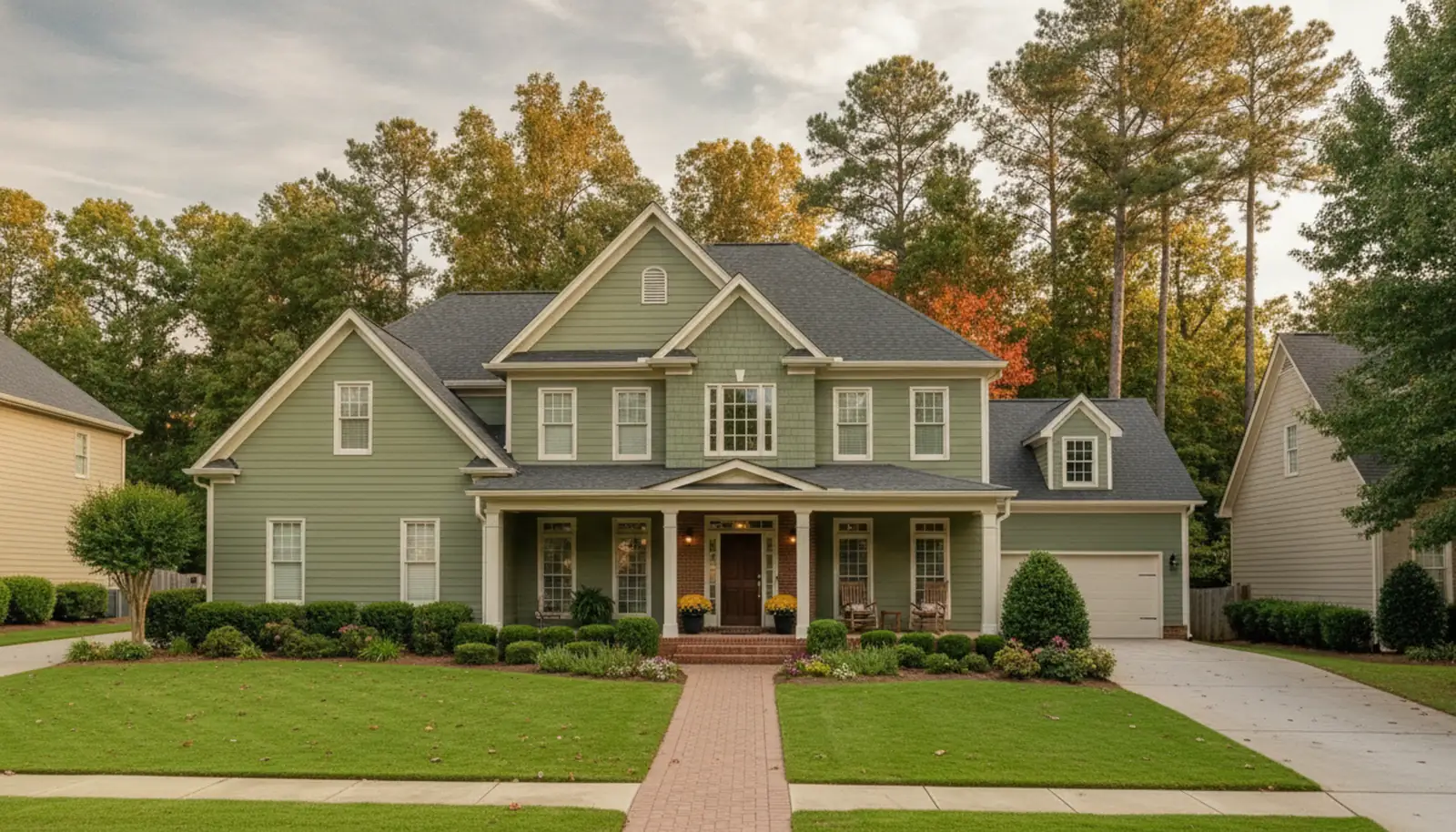
Most houses in Johns Creek were built in planned neighborhoods between the 1980s and the 2000s. That means a lot of homes are now old enough for the original materials to start wearing out at the same time: wood trim, deck boards, caulk, builder grade fixtures and the first round of exterior paint. None of it is dramatic on its own, but small items left alone for a few Georgia summers turn into bigger repairs and, in many neighborhoods, an HOA letter.
This guide walks through the year the way the weather does. For each season you will find what typically breaks or wears out in local housing, the quick checks you can do yourself, and the signs that a job is better left to a pro. It works for owners who live in the house and for landlords keeping a rental ready between tenants.
Why Johns Creek houses age the way they do
Drive along Medlock Bridge, State Bridge, Abbotts Bridge or Jones Bridge Road and the pattern is easy to spot: large two story homes, many with basements, bonus rooms, back decks and multi car garages, set under mature oaks and pines. Those trees are part of why people love living here. Shade keeps siding and decks damp longer after rain, leaves and pine straw fill gutters, and roots and runoff test the ground around the foundation.
Many homes were finished with wood or fiber cement siding and wood trim. Fiber cement holds up well, but the trim around it, the bottom edges of walls, garage door jambs and window sills are where water sits and rot starts. Add an active homeowners association in most communities, including places like St. Ives and the Country Club of the South, and the goal is not just keeping the house sound. It is keeping it looking the way the neighborhood expects.
Spring: pollen season and the HOA walk
Spring in North Georgia arrives with a yellow coat of pine pollen on everything from late March into April. It is not harmful to your house, but it hides problems and it sticks to anything damp. Once the heaviest pollen is over, rinse decks, porches, screens and outdoor furniture, then take a slow walk around the outside of the house.
Look for green or black mildew on the north and shaded sides of the siding, peeling paint on trim and shutters, cracked or missing caulk around windows and doors, and soft spots at the bottom of door frames. Push a screwdriver gently into any trim that looks dark or swollen. If it sinks in easily, that board is rotting and needs to be replaced, not painted over.
Spring is also when many associations do their inspection drive. Pressure washing siding, driveways and walks, touching up the front door and shutters, and fixing a leaning fence section are the items that show up most often on notices. Doing them in late April or May gets the house ready before summer storms and before the letters go out. If you are changing a color, a fence style or anything visible from the street, get approval from your HOA first.
Summer: humidity, storms and the inside list
Georgia summers bring heat, heavy humidity and afternoon thunderstorms that can drop a lot of rain in a short time. This is when an overflowing gutter shows you exactly where the water goes. Stand outside during a hard rain if you can do it safely. Water spilling over the gutter edge, splashing against the siding or pooling near the foundation means a clog, a sagging section or a downspout that needs an extension.
Decks take a beating in summer. Many Johns Creek decks are elevated over a walkout basement, so loose boards, popped nails and a wobbly railing are more than a nuisance. Check that railings do not move when you lean on them, that stair treads are solid, and that the ledger area where the deck meets the house is not stained or soft. Humidity also swells interior doors, so the door that started sticking in July may just need a hinge adjustment or a light trim rather than a replacement.
Summer is also a good time for indoor projects while kids are home: mounting a TV in the basement or bonus room, assembling furniture, adding shelves or setting up a video doorbell before vacation.
Fall: leaves, gutters and getting ahead of rot
Fall is the most important maintenance season in a wooded neighborhood. Oaks and pines around the Newtown Park and Autrey Mill areas, and across the city, drop a heavy load of leaves and needles that pack into gutters and downspouts. A clean gutter in October can be full again by December, so many homeowners plan one cleaning once most leaves are down and another check in late winter or early spring.
While someone is up at the roofline, it is worth looking at the fascia boards behind the gutters. Fascia that stays wet from overflowing gutters is a common spot for rot, and it is much cheaper to replace a few feet of board than to wait until the gutter pulls away. Fall weather is also comfortable for exterior work: repainting trim, recaulking windows, staining a fence or replacing worn deck boards all go better when it is not 95 degrees out.
Winter: mild most days, with a few hard freezes
Johns Creek winters are mild compared with much of the country, but a few nights each year usually drop well below freezing. Those nights are the ones that crack an outdoor faucet or a pipe in an unheated space. Before the first hard freeze, disconnect garden hoses, cover outdoor spigots, and make sure pipes in garages, crawl spaces and unfinished parts of the basement are protected.
Winter is also a natural time for inside repairs. Nail pops and hairline cracks above doors are common in homes from this era as framing settles, and they are easy to patch and paint while you are spending more time indoors. Check smoke and carbon monoxide detectors, tighten loose cabinet hinges, replace worn weatherstripping on exterior doors, and look under sinks for slow drips. In homes with two story foyers, high fixtures and detectors often get ignored because nobody has a tall enough ladder.
DIY or call a pro?
Plenty of maintenance is fine to do yourself: rinsing off pollen, changing air filters, replacing weatherstripping, touching up scuffs and testing detectors. If the job is on the ground, needs basic tools and will not hurt anything if it goes slightly wrong, it is a reasonable weekend project.
Call a pro when the work involves tall ladders or the roofline, structural parts like deck railings and stairs, rotted wood that may hide more damage, anything that has to match an HOA approved color or profile, or a long list you simply do not have time to get through. Landlords often fall into that last group, because a vacant rental costs money every day it sits.
If you want help with any of this, our Johns Creek handyman page at /handyman-johns-creek-ga/ explains what we take care of around the city. Solve Handyman is a family-owned, insured team based in Marietta. Estimates are free, there is no trip fee, same-day service is available, and if something we did is not right, we redo it at no cost. We speak English, Portuguese and Spanish. Call or text (770) 744-7051 with photos of your list to get started.
Frequently asked questions
- How often should Johns Creek homeowners clean their gutters?
- Most homes under mature trees benefit from at least two cleanings a year: once after most leaves have fallen in late fall, and again in late winter or spring. Homes with heavy oak or pine cover may need a mid season check as well.
- When is the best time to prepare for an HOA inspection in Johns Creek?
- Late April through May works well for most neighborhoods. The heaviest pollen is gone, so pressure washing and paint touch ups last longer, and the house is ready before summer storms. Confirm your association's schedule and get approval before any visible change.
- What are the most common exterior repairs on Johns Creek homes?
- Rotted trim near the ground and around garage doors, mildew on shaded siding, loose deck boards and railings, failing caulk around windows, and fascia damage behind overflowing gutters come up most often in homes from the 1980s through the 2000s.
- How do I protect my pipes during a Georgia freeze?
- Disconnect garden hoses, cover outdoor faucets, and keep heat reaching pipes in garages, crawl spaces and unfinished basements. On the coldest nights, opening cabinet doors under sinks on exterior walls can also help.
- Can a handyman help a landlord get a Johns Creek rental ready?
- Yes. Many landlords hand over the whole list at once: patching and painting, fixtures, minor repairs, deck and fence fixes and cleaning. Handling it with one crew usually shortens the time the unit sits empty.
Found this helpful? Make us a preferred source on Google.
Ready for an exact price?
Get a free, no-pressure in-home estimate. Real numbers for your home, not a phone guess.