
Ceiling Fan Installation Cost Guide
· By Christiano Rodrigues
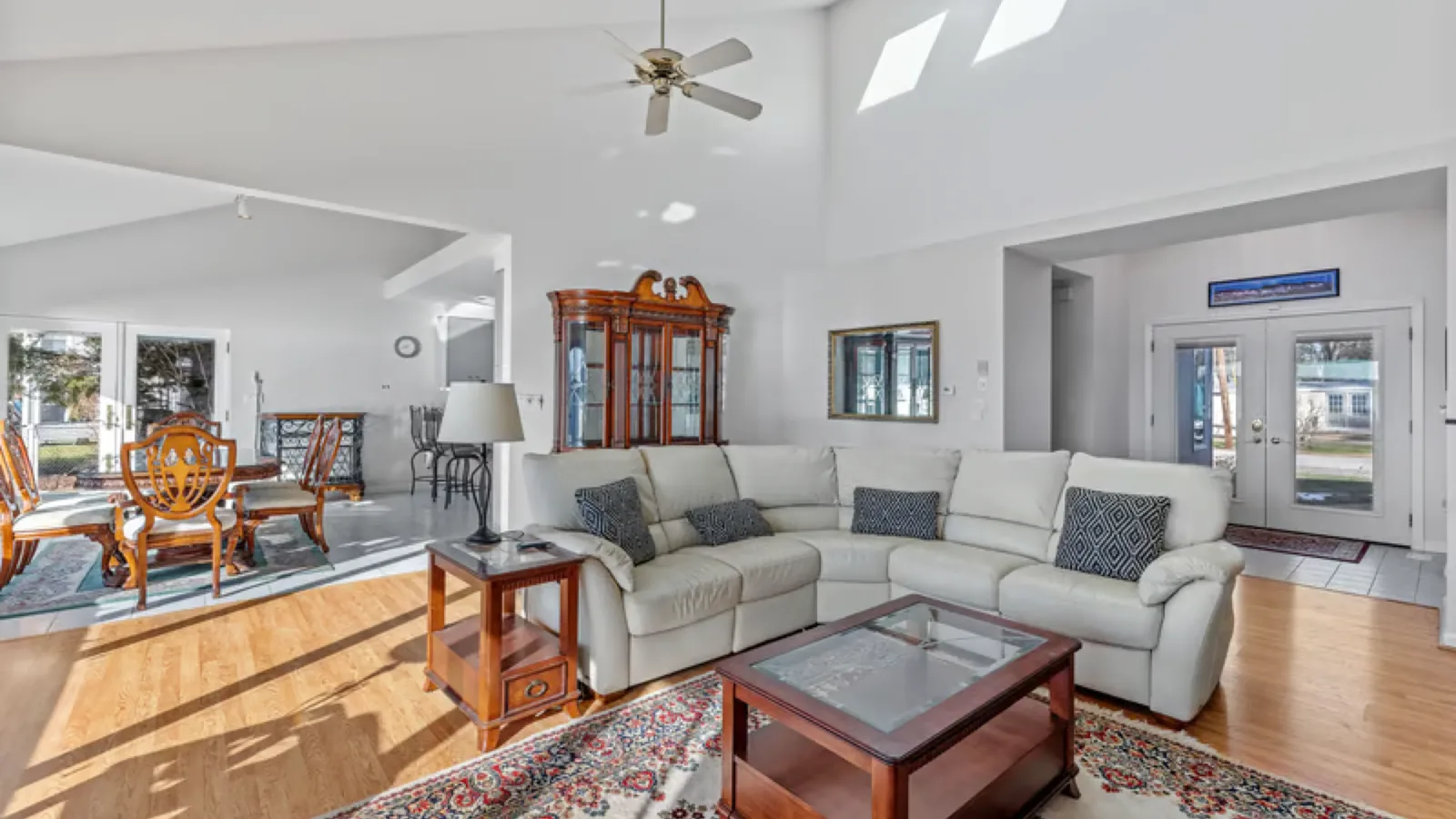
A ceiling fan is one of the cheapest ways to make a room feel more comfortable through a long Georgia summer. It moves air so the thermostat can sit a few degrees higher, and in winter the reverse setting pushes warm air back down from the ceiling. The fan itself can cost less than a nice dinner out, so most people are surprised to find that the installation is where the real question sits.
The short version: replacing an existing light or fan with a new fan is usually a modest, one visit job. Putting a fan where there is no ceiling box or no wiring is a different project, and the price jumps because it becomes electrical work. Below is a plain breakdown of typical ceiling fan installation costs, what drives the number up or down, and how to tell which kind of job you actually have.
Typical ceiling fan installation cost ranges
Prices vary by area, ceiling height, and the fan you choose, so treat these as rough market ranges rather than a quote. For labor only, a straightforward swap where a fan or light fixture already hangs and the box is fan rated commonly runs somewhere around $100 to $300 per fan. Many handymen charge a minimum per visit, so installing two or three fans on the same trip usually brings the cost per fan down.
If the existing box is not rated to hold a fan, adding a fan rated brace box typically adds anywhere from about $50 to $150, depending on whether there is attic access above the ceiling. Fans with heavy light kits, remote receivers, or smart controls can take a little longer to assemble and wire, which may add a bit to the labor.
New installations are where the range widens. Running new wiring to a spot that never had a fixture, adding a new wall switch, or pulling a separate control wire for the light and the fan is real electrical work. Across the market that kind of job often lands anywhere from a few hundred dollars to well over $800, depending on how far the wire has to travel and how hard the route is. That work belongs with a licensed electrician, and a good handyman will tell you so up front.
Replacing a fixture vs adding new wiring
This is the single biggest factor in what you will pay, so it is worth figuring out before you call anyone.
A replacement means there is already a ceiling box with power at that spot, controlled by a working switch. The installer turns off the breaker, takes down the old fixture, checks that the box can carry the weight and motion of a fan, assembles the new fan, connects it to the existing wires, and balances it. Swapping an old dome light, a dated fan, or a chandelier for a new fan all fall into this bucket.
A new installation means there is nothing there yet, or there is a box with no power. Adding a circuit, extending wiring, or installing a new switch location goes beyond fixture replacement. In Georgia that kind of electrical work should be handled by a licensed electrician. Solve Handyman sticks to replacing fixtures on existing wiring and refers new circuits and wiring to licensed electricians, which keeps your home safe and keeps the job clean if you ever sell the house and an inspector looks at it.
Why the ceiling box matters more than the fan
A standard light fixture box is often held by a couple of small screws and is designed for a static load. A ceiling fan weighs more and wobbles slightly as it spins, and over time that motion can loosen a box that was never meant to carry it. The result is a fan that rattles, sags, or in the worst case pulls away from the ceiling.
Fan rated boxes are marked on the inside and are attached to a joist or to an expandable brace bar that spans between two joists. If your current box is plastic, unmarked, or feels loose when you push on it, plan on a brace box upgrade. It is a small line item that prevents most of the wobble and noise complaints people have with new fans.
A fan that still wobbles after installation is usually a balance or mounting issue, not a bad fan. Blade brackets need to be tight, blades need to be the same distance from the ceiling, and most fans include a small balancing kit with clip weights for exactly this.
High ceilings, vaulted ceilings, and other cost drivers
Ceiling height is the next big variable. Standard 8 to 9 foot ceilings are quick work from a step ladder. Ceilings around 12 feet and up, which are common in great rooms and two story foyers in newer North Atlanta homes, need a taller ladder or scaffolding, a longer downrod, and often a second person to hold the fan motor while it is wired. Expect high ceiling installs to cost more, sometimes noticeably more on very tall or steep vaulted ceilings.
Sloped ceilings need an angled mounting kit so the fan hangs straight. Many fans include one that works up to a certain pitch, but steeper slopes may need an adapter bought separately. Other things that add time: removing a heavy old chandelier, fixing a damaged or stained ceiling around the box, assembling a fan with many parts, and pairing a remote or smart switch.
Outdoor fans on covered porches and patios are popular around Marietta and Roswell. Those need a fan that is damp or wet rated and a box suited to outdoor conditions, and the labor is similar to an indoor swap when the box and wiring are already in place.
Can you install a ceiling fan yourself?
If you already have a fan rated box and you are comfortable working with the breaker off, replacing a fan is a reasonable DIY project for many homeowners. The general steps are: shut off the breaker and confirm with a voltage tester that the power is off, remove the old fixture, check the box rating, install the mounting bracket, hang the motor on the hook most brackets provide, connect the wires as the manual shows, then attach the canopy, blades, and light kit.
Where DIY usually goes wrong is the weight and the reach. A fan motor is awkward to hold over your head while you connect wires, and on anything above a standard ceiling the ladder work gets risky fast. Loose wire connections are another common mistake, and they can cause a fan or light that works one day and flickers the next.
If you see aluminum wiring, scorched wires, no ground, or a box with more wires than you expected, stop there. Those are signs the job needs a licensed electrician, not a handyman and not a weekend project.
How to get an accurate quote
The fastest way to get a clear price is to send a few photos: the current fixture, the inside of the ceiling box with the fixture removed if you can safely do it, the ceiling from below so the height is visible, and the box or model number of the fan you bought. Mention whether you want a remote, a wall control, or a smart switch.
Ask what is included. A fair quote should say whether assembly, hauling away the old fixture, a brace box if needed, and balancing are part of the price, and whether there is a trip fee. Bundling other small jobs into the same visit, like swapping a few light fixtures, replacing outlet covers, or mounting a TV, often gets you more value from the same appointment.
Solve Handyman works across North Atlanta, from Marietta and Kennesaw to Alpharetta and Sandy Springs. Estimates are free, there is no trip fee, and same day service is available when the schedule allows. The crew is insured and family owned, speaks English, Portuguese, and Spanish, and if something is not right, they redo it at no cost. Call or text (770) 744-7051 with a few photos to get started.
Frequently asked questions
- How much does it cost to replace a light fixture with a ceiling fan?
- When a fan rated box and working wiring are already in place, labor for swapping a light fixture for a ceiling fan commonly runs somewhere around $100 to $300 per fan, depending on ceiling height and the fan. If the box needs to be upgraded to a fan rated brace box, that typically adds roughly $50 to $150. A free estimate with photos gives you the exact number.
- Why does installing a ceiling fan where there is no fixture cost more?
- Without an existing box and wiring, the job becomes new electrical work: running cable, adding a box, and often adding a switch. That takes more time, depends on how hard it is to reach the spot from the attic or walls, and should be done by a licensed electrician. Across the market those installs often cost several hundred dollars or more.
- Do I need a special box for a ceiling fan?
- Yes. A ceiling fan should hang from a box that is rated for fan support and anchored to a joist or a brace bar between joists. Regular light fixture boxes are not designed for the weight and constant motion of a fan, which can lead to wobbling, noise, or a loose mount over time. Fan rated boxes are marked as such inside the box.
- How long does a ceiling fan installation take?
- A standard replacement on an existing fan rated box usually takes about one to two hours, including assembly and balancing. High or vaulted ceilings, a brace box upgrade, or a fan with a complex light kit or smart controls can add time. Installing several fans on one visit is often more efficient than booking them separately.
- Does a handyman install ceiling fans or do I need an electrician?
- A handyman can typically replace an existing light or fan with a new ceiling fan when the wiring and box are already there. New circuits, new wiring runs, new switch locations, and any problem wiring should go to a licensed electrician. Solve Handyman handles fixture replacements and refers new wiring to licensed electricians.
- Can a ceiling fan be installed on a vaulted ceiling?
- Yes, most fans can be installed on a sloped or vaulted ceiling with an angled mounting kit and a longer downrod so the blades clear the ceiling. Very steep pitches may need a separate adapter. Expect the labor to cost more than a standard ceiling because the work needs taller ladders or scaffolding and often two people.
Found this helpful? Make us a preferred source on Google.
Ready for an exact price?
Get a free, no-pressure in-home estimate. Real numbers for your home, not a phone guess.